
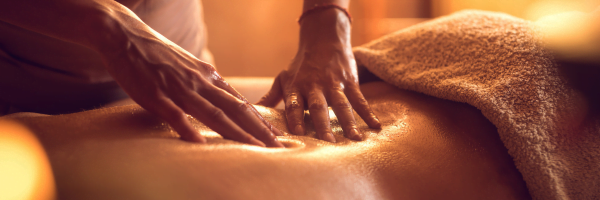
Modern medicine is spectacular at emergencies. It can replace hips, restart hearts, and peer into the body with machines that would have looked like witchcraft a century ago. Yet it remains strangely awkward around one of the most ancient, effective, and low-tech healing tools humans have ever known: touch.
Massage therapy, despite being practiced in nearly every culture for thousands of years, is still treated as indulgence – something you do on vacation, or after you’ve “earned it.” This is a mistake. Regular massage is not a spa accessory. It is a neurological intervention, an immune modulator, a circulatory assist, and a stress-biology reset button – all delivered through the skin, the largest sensory organ we have.
If the body were a novel, massage would be the editor quietly restoring coherence to a story that has begun to sprawl.
Touch as a Nervous System Language
The human nervous system is not impressed by logic alone. You can tell it you’re safe, solvent, and not being chased by predators, but it will believe you only when the sensory evidence agrees.
Massage speaks directly to the parasympathetic nervous system – the “rest, digest, repair” branch that modern life routinely bullies into submission. Slow, rhythmic pressure activates mechanoreceptors in the skin and fascia, which signal the vagus nerve to stand down from its constant vigilance. Heart rate slows. Breathing deepens. Cortisol levels fall. The body shifts from survival mode into maintenance mode.
This is not a metaphor. This is physiology.
Regular massage has been shown to reduce sympathetic overdrive, improve heart rate variability, and lower baseline stress hormones. In plain terms, it reminds your nervous system that it does not need to behave like a cornered raccoon all the time.
Muscles, Fascia, and the Myth of “Just Tight”
Muscles do not get tight because they are morally flawed. They tighten because they are protecting something, usually joints, nerves, or injured tissue, and because fascia, the connective tissue web that binds the body together, responds to stress by stiffening.
Massage improves tissue glide. It hydrates fascia, improves local circulation, and reduces the low-grade inflammation that accumulates when muscles are overused and under-rested. This matters because stiff fascia does not merely limit movement; it distorts proprioception, the body’s sense of where it is in space.
When that sense is distorted, the brain compensates poorly. Pain patterns become chronic. Posture degrades. Movement becomes inefficient. Massage interrupts this cycle not by “fixing” muscles, but by giving the brain better information.
The result is often less pain, greater range of motion, and a subtle but profound sense that the body is once again inhabitable.
Circulation Without the Sermon
Massage improves circulation, but not in the simplistic “flush the toxins” way that marketing sometimes promises. What it actually does is enhance microcirculation and lymphatic flow, particularly in tissues that have become stagnant through immobility or stress.
The lymphatic system has no pump of its own. It relies on movement and external pressure. Massage assists this process, helping clear inflammatory byproducts, supporting immune surveillance, and reducing edema. For people with chronic inflammatory conditions, autoimmune disease, or post-injury swelling, this can be clinically meaningful.
Think of it less as detox and more as municipal maintenance. Garbage still gets collected. Streets stay passable. The city functions.
Immune Effects That Don’t Shout
Massage does not “boost” the immune system in the cartoonish sense. It regulates it.
Studies have shown that regular massage can increase natural killer cell activity, reduce inflammatory cytokines, and improve immune resilience under stress. This is likely mediated through reduced cortisol, improved sleep, and better autonomic balance rather than direct immune stimulation.
In other words, massage helps the immune system do its job by getting roadblocks out of its way.
This is particularly relevant in a world where chronic stress quietly suppresses immune function while simultaneously fueling inflammation – a biological paradox that massage helps untangle.
The Forgotten Miracle of Sleep
One of the most reliable benefits of regular massage is improved sleep quality. This is not trivial. Sleep is when growth hormone is released, tissues repair, memories consolidate, and metabolic cleanup occurs.
Massage increases serotonin and dopamine while reducing stress hormones, setting the biochemical stage for deeper, more restorative sleep. For people with insomnia, restless sleep, or pain-related awakenings, this can be transformative.
Sleep is medicine. Massage helps you take it without a prescription.
Pain, Perception, and the Brain
Chronic pain is not merely a signal from injured tissue; it is a learned pattern in the nervous system. Massage alters pain perception by activating competing sensory pathways and by reducing central sensitization – the phenomenon in which the nervous system becomes overly responsive to non-threatening stimuli.
This is why massage can reduce pain even when imaging shows no dramatic structural change. It is recalibrating the volume knob, not rewriting the song.
In this sense, massage is not treating pain as an enemy to be suppressed, but as information that needs reinterpretation.
The Psychological Dimension We Pretend Not to Need
Humans are social mammals. We evolved in tribes where touch was constant and reassuring. Modern life, with its screens and social distancing (literal and emotional), has created a quiet deficit.
Massage provides safe, structured, non-verbal connection. It reduces anxiety, improves mood, and can soften the edges of depression – not because it replaces therapy, but because it addresses a layer of human experience that words cannot reach.
How Often Is “Regular”?
For most people:
- Monthly massage supports general wellness and stress regulation.
- Biweekly massage is ideal for chronic pain, high stress, or active lifestyles.
- Weekly massage can be therapeutic during periods of injury recovery, intense training, or nervous system dysregulation.
Consistency matters more than intensity.
The Takeaway
Massage is not an indulgence. It is preventive maintenance for a nervous system living in an unnatural environment. It improves circulation, regulates immunity, reduces pain, enhances sleep, and restores a sense of internal coherence that modern life relentlessly erodes.
In a culture obsessed with doing more, massage is a rare intervention that works by allowing the body to remember how to do less, and do it well.
The body, when listened to, is remarkably competent. Sometimes it just needs someone to place their hands on it and say, without words “you are safe now”.
Your Massage
We have several massage therapists that work with us in our office. Simply call if you’d like to set up your massage!
Author
Scott Rollins, MD, is Board Certified with the American Board of Family Practice and the American Board of Anti-Aging and Regenerative Medicine. He specializes in bioidentical hormone replacement for men and women, thyroid and adrenal disorders, fibromyalgia and other complex medical conditions. He is founder and medical director of the Integrative Medicine Center of Western Colorado (www.imcwc.com) and Bellezza Laser Aesthetics (www.bellezzalaser.com). Call (970) 245-6911 for an appointment or more information.
