
Founder and Medical Director
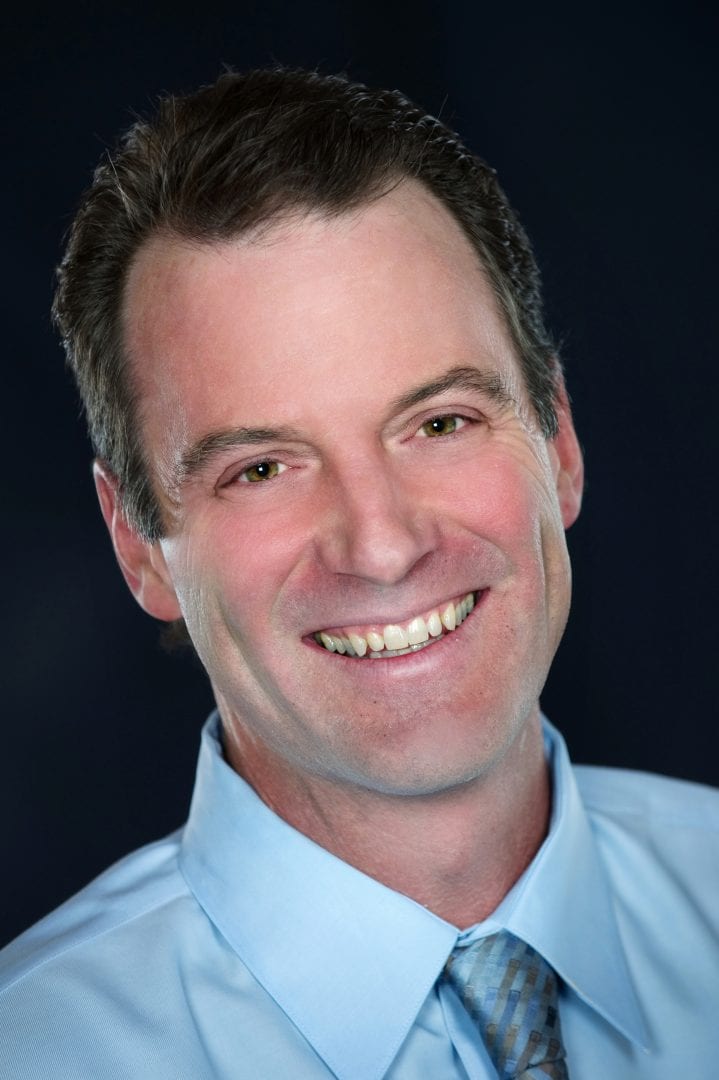 In private practice since 1994, Dr Rollins is Board Certified with the American Board of Family Practice and has been certified in Advanced Cardiac Life Support and Advanced Trauma Life Support. With these credentials and years of experience in a rural practice he is well qualified in managing complex medical issues as well as handling serious medical emergencies and injuries.
As the first physician in Western Colorado to be Board Certified with the American Board of Anti-Aging and Regenerative Medicine, Dr Rollins also has extensive training and experience with bioidentical hormone replacement for men and women, thyroid and adrenal disorders, fibromyalgia, chronic fatigue, weight loss and healthy aging.
In 2006 Dr. Rollins opened AdvantAge Integrative Medicine in Grand Junction in order to bring these specialty services to Western Colorado. In 2008 he founded the Integrative Medicine Center of Western Colorado.
Dr Rollins is an active educator with a passion for learning and teaching. He can be found doing weekly educational seminars, newspaper columns and television news commentary on local network affiliates. He is a clinical faculty member at the University of Colorado School of Medicine, hosting medical students for their one month long family medicine training.
In 2004 Dr. Rollins was chosen for “Colorado Family Physician of the Year.” This prestigious award is given annually to only one of over 1,800 family physicians. The recipient is chosen by the Board of the Colorado Chapter of the American Academy of Family Physicians and is based on their expertise and commitment to family medicine.
He is a member of the American College for the Advancement of Medicine (ACAM). Having passed the “gold standard” examination from ACAM, he is “Certified in Chelation Therapy“. Dr. Rollins has extensive background in Occupational Medicine, caring for work related injuries, and is certified as “preferred provider” with Pinnacol Assurance, Colorado’s largest workers’ compensation insurance company. He serves as a medical director for HopeWest Hospice in Plateau Valley and Debeque.
After graduating from the University of Kansas School Of Medicine, he then finished his residency training in Family Practice at St. Mary’s Hospital in Grand Junction. He opened his private practice in Collbran, Colo. in 1994 where he and his partner provide full service family practice care while providing 24 hr / day emergency coverage.
An avid health enthusiast himself Scott “walks the talk” spending his personal life enjoying time with his wife and two boys, cooking and eating healthy foods, working in his family’s organic garden, taking his ritual morning walk, hiking, skiing or just relaxing playing guitar and piano.
Latest Articles From Dr. Rollins

Belly Acres
What Are You Growing Around Your Middle? A patient of mine named his ranch Belly Acres, which may be one of the finest pieces of Western real-estate branding I’ve ever encountered. The name conjures up cattle leaning contentedly against fence posts, a tractor that starts on the third try, and a rancher whose belt buckle has not been visible since the Reagan administration. But Belly Acres also happens to be a surprisingly good name for one of the most important pieces of real estate in human health: the territory between our ribs and our belt. Most of us acquire a little property there eventually. A few extra pounds arrive during the holidays, establish residency and apparently discover there are no zoning restrictions. One subdivision becomes another. Before long,…
Menopause or Midlife?
Not Everything Is Your Hormones, But They Aren’t Innocent Either There comes a time in many women’s lives when the list begins. “I’m gaining weight. I don’t sleep like I used to. My joints hurt. My hair is thinning. I’m tired. I can’t remember anybody’s name. And my sex drive has apparently left town without forwarding its address.” Inevitably comes the question, “Is this menopause?” Sometimes, absolutely. And sometimes, it’s midlife. Usually, it’s some combination of the two. But after taking care of women for decades, I think we’ve occasionally swung too far in the other direction. In our effort not to blame everything on hormones, we underestimate just how profound the menopausal hormonal transition actually is. I see women every day who are doing the right things.…

Hormesis
Why a Little Stress May Be Exactly What We Need We have spent much of the modern era succeeding in making ourselves comfortable. We heat the house when we’re cold, cool it when we’re hot, eat when we’re hungry, sit when we’re tired, and take the elevator when confronted with the indignity of stairs. We surround ourselves with climate control, calories, chairs and conveniences until life begins to resemble a very pleasant waiting room. Our cells, unfortunately, did not get the memo. Human biology was forged in a world of intermittent difficulty. Food disappeared. Temperatures changed. Muscles worked. Hearts raced. Occasionally something with large teeth expressed an interest in us. We survived not because stress was absent, but because our bodies became remarkably good at responding to it.…

Unlocking the Nutrients in Your Food
We tend to think of nutrition as inventory. A carrot contains this much beta-carotene. A tomato contains this much lycopene. Spinach has iron. Garlic has allicin. End of story. Except food isn’t a warehouse, and the human digestive tract isn’t a forklift. A nutrient can be sitting right there on your dinner plate and still be remarkably difficult for your body to obtain. Plants, after all, did not evolve fruits, roots, leaves, and seeds for the purpose of making us healthy. Their nutrients are tucked inside cells, bound to proteins, packaged with fiber, protected by chemical compounds, and occasionally locked behind walls our digestive enzymes aren’t particularly good at opening. Fortunately, humans discovered some rather clever ways of picking those locks. We cook. We chop. We crush. We…

Diagnose and Adios
Modern medicine is very good at naming things. We have codes for everything. Codes for high blood pressure. Codes for low thyroid. Codes for high cholesterol, low testosterone, bad sleep, sad moods, angry bowels, rebellious immune systems, and knees that have finally filed for divorce. Give us a symptom and, by God, we will give it a billing code. This is one of the great triumphs of modern medicine. It is also one of its great weaknesses. We have become extraordinarily good at diagnosis, but somewhere along the way we began confusing the name of a problem with an explanation for why the problem exists. Your blood pressure is high. Hypertension. Why? Because you have hypertension. Ah. Glad we cleared that up. Here is your prescription. Diagnose and…
Mitochondrial Aging and the Art of Growing Older Well
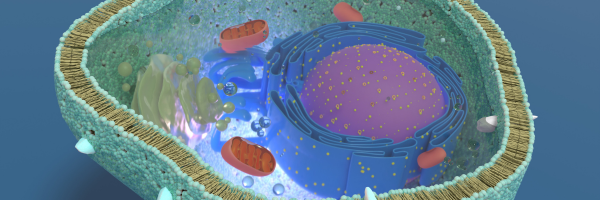
The Slow Burn Every cell in your body contains tiny structures called mitochondria. They are often described as the cell’s power plants, but that analogy doesn’t quite capture their importance. Mitochondria are less like power plants and more like master conductors. They decide how energy is produced, how cells respond to stress, when damaged cells should die, and even how loudly inflammation should speak. In many ways, aging itself can be viewed as the gradual decline of mitochondrial function. When we are young, our mitochondria are numerous, flexible, and efficient. They convert food and oxygen into cellular energy with remarkable precision. As we age, they become fewer in number, less efficient, and more susceptible to damage. Energy production falls. Recovery slows. Inflammation rises. Muscles weaken. Brains become less…

Exercise After Cancer
What the research tells us about exercise, recurrence and survival after cancer Cancer treatment has traditionally been built around things done to the patient: surgery, radiation, chemotherapy, endocrine therapy, immunotherapy. Exercise is different. It is something the patient can do for themselves. And increasingly, the research suggests that movement after a cancer diagnosis may be more than rehabilitation. It may be associated with a lower risk of recurrence and, even more consistently, with a lower risk of dying from cancer. Many of the benefits appeared at roughly 7.5–15 MET-hours of activity per week – the equivalent of about 2½ to 4 hours of brisk walking spread throughout the week. MET-hours are a way of combining how hard you exercise × how long you exercise into one number. A…
Osteoporosis and the Case for Lifting Something Heavy
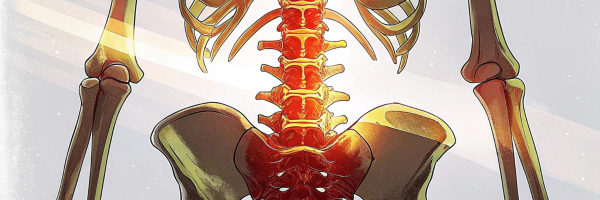
For decades, the exercise advice given to people with osteoporosis has sounded something like this. Be careful. Don’t lift anything too heavy. Avoid impact. And whatever you do, don’t fall. The advice was understandable. Osteoporosis makes bones more fragile, and fragile things should presumably be handled gently. That’s how we treat antique china. The trouble is, bone isn’t china. Bone is living tissue. It is constantly sensing the forces placed upon it, tearing itself down, rebuilding itself and adapting to the demands of its environment. And increasingly, research suggests that one of the things an aging skeleton desperately needs is not simply protection. It needs a reason to remain strong. That is the idea behind an Australian exercise program called ONERO®, now being offered here in Grand Junction…
One, Two, Three: The Evolution of the New Weight Loss Drugs
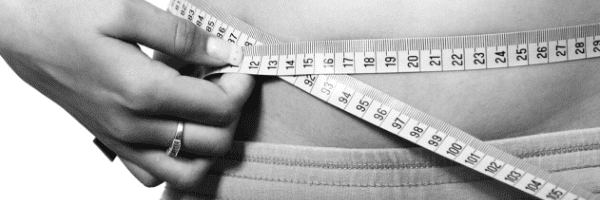
Few medications have changed the treatment of obesity as dramatically as the new generation of GLP-1 drugs. Semaglutide transformed what we thought medication-assisted weight loss could accomplish. Tirzepatide subsequently produced even greater weight loss. And now retatrutide, an investigational drug in late-stage clinical development, is pushing those numbers still further. For most of medical history, our advice for weight loss could be summarized as “Eat less, move more, good luck”. This was technically correct in approximately the same way that telling someone with insomnia to sleep more is technically correct. The problem was never the arithmetic. The problem was biology. Human beings come equipped with an extraordinarily sophisticated collection of hormones, neurons and metabolic feedback loops designed to prevent starvation. Unfortunately, this machinery was engineered during a “feast…
A Longevity Recipe of Grains, Greens, Roots and Beans
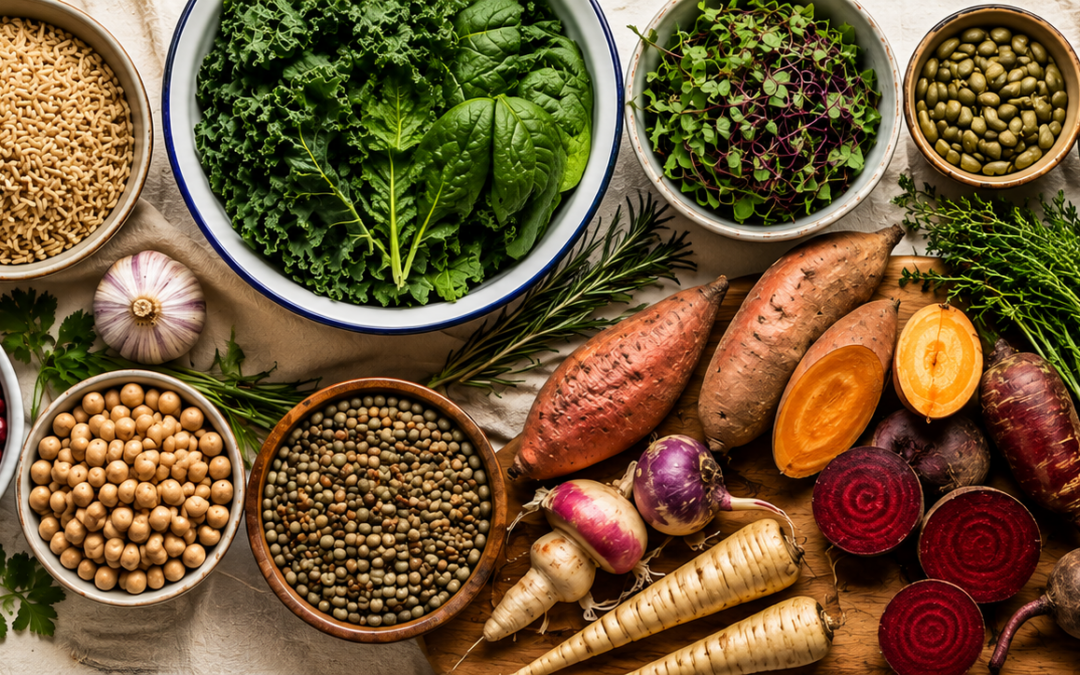
The Foods That Keep Showing Up Where People Live Well Nutrition has become unnecessarily complicated. We have continuous glucose monitors, ketone meters, genetic testing, microbiome sequencing, supplement cabinets large enough to require zoning permits, and enough dietary tribes to populate a small country. Meanwhile, some remarkably ordinary foods keep showing up in populations where they live long and remain healthy. The simple quartet of grains, greens, roots and beans seem to be part of the dietary recipe for longevity. Not powders made from them. Not extracts standardized to 37 percent something-or-other. The foods themselves. Grandmother’s food. Oats. Barley. Brown rice. Kale. Spinach. Potatoes. Sweet potatoes. Lentils. Chickpeas. Black beans. And increasingly, modern nutritional science is discovering that Grandma may have been running a metabolic laboratory in her kitchen.…

The Buzz on B Vitamins
Eight Tiny Nutrients That Quietly Keep You Alive There are some vitamins that seem to get all the attention. Vitamin C has long been the poster child for immunity. Vitamin D has become the celebrity of modern nutrition. Vitamin K is finally getting the recognition it deserves for bones and arteries. Then there is the B family. The B vitamins rarely make headlines, yet they are among the busiest workers in the human body. They help convert breakfast into energy, repair DNA, manufacture neurotransmitters, build red blood cells, maintain healthy nerves, and support everything from memory to mood. If the body were a bustling city, the B vitamins would be the electricians, mechanics, construction crews, accountants, and maintenance workers who quietly keep everything functioning behind the scenes. Unlike…
You Can’t Supplement Your Way Out of a Lousy Diet
Walk into any health food store and you’ll quickly conclude that modern nutrition apparently comes in bottles. Shelves stretch from floor to ceiling with capsules promising more energy, stronger immunity, sharper memory, healthier joints, younger skin, better sleep, and perhaps, if you look hard enough, the ability to fold fitted sheets. The supplement industry is now worth well over $150 billion worldwide, and many Americans begin each morning by swallowing a colorful handful of capsules before taking their first sip of coffee. Ironically, some of those same people will then drive through a fast-food window for breakfast. Something about that picture should make us pause. As much as I appreciate well-designed nutritional supplements, and I recommend them frequently in my practice, I find myself repeating two simple phrases…

Twenty Years of Gratitude
A Story About Patients, Purpose, and the Privilege of Practicing Medicine Anniversaries have a way of inviting reflection. They encourage us to look backward with gratitude, forward with hope, and perhaps most importantly, to pause long enough to appreciate the remarkable journey that connects the two. This year marks twenty years since the Integrative Medicine Center of Western Colorado first opened its doors. Like many worthwhile endeavors, it began with no grand business plan, no marketing campaign, and certainly no expectation that patients would one day travel from across the country, and even around the world, to seek care in western Colorado. It began with something much simpler. A physician who was curious. Patients who trusted him. And a belief that medicine could be practiced a little differently.…
The Alphabet of Life known as Amino Acids
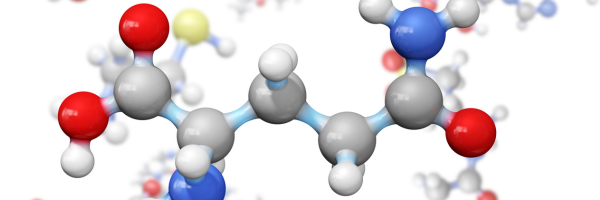
Why the Building Block of Protein Matter More Than You Think There are certain words in medicine that sound far more complicated than they really are. Mitochondria. Neurotransmitters. Phospholipids. And perhaps one of the most misunderstood of them all, amino acids. The supplement industry has done a remarkable job of making amino acids sound mysterious. Walk into any nutrition store and you’ll find brightly colored tubs promising bigger muscles, better recovery, sharper thinking, improved immunity, and enough vitality to make you wonder what you’ve been missing all these years. The truth is much simpler. Amino acids aren’t magic. They’re simply the building blocks of life. Every muscle you move, every enzyme you produce, every antibody that protects you, every hormone that regulates your body, and every strand of…

Milk, Memories, and Modern Nutrition
Understanding A1, A2, Whey, and Finding the Right Protein for You Like many children of my generation, I grew up with whole milk delivered to our front porch in heavy glass bottles. Before breakfast, the familiar clink of glass announced the milkman’s arrival. The cream floated to the top, and if you got there first, you could sneak a spoonful before anyone noticed. But, my connection to dairy ran much deeper than the breakfast table. My father is a veterinarian who spent many years with Mid-America Dairymen, helping oversee the health of enormous dairy herds throughout the Midwest. One of his employee benefits was bringing home blocks of cheddar, specialty cheeses, yogurt, cottage cheese, and every imaginable dairy product. As kids, we assumed everyone’s refrigerator looked like ours.…
Movement as Medicine
Why the Human Body Thrives When It Refuses to Sit Still There is a curious phenomenon that occurs as we age. The less we move, the less we feel like moving. A sore knee becomes a reason to skip a walk. A stiff back encourages another evening in the recliner. A few weeks of inactivity quietly become a few months, and before long strength begins to fade, balance becomes less certain, and the simple tasks of daily life require more effort than they once did. I often say “if you quit moving you rust”. Most people assume this is simply what aging looks like. Sometimes it is. More often, however, it is what happens when movement slowly disappears from our lives. Modern medicine has achieved remarkable things. We…