
Where the Story Begins
If you want to understand the Mediterranean diet, you don’t begin in a laboratory or a clinic or even with a stack of nutritional studies. You begin on a narrow stone street somewhere in Spain or Portugal, where the morning air carries the smell of strong coffee, warm bread, olive oil, and the faint salt of the sea.
Right now my wife and I are traveling through the Iberian Peninsula, with my parents, and my sister and her husband, wandering through Madrid, crossing the old bridges of Porto over the Douro River, and sitting at small outdoor cafés where life seems to unfold at a pace that feels both ancient and strangely healthy. We’ve walked miles and miles over cobblestones, up steep hills, through plazas and markets and neighborhoods that reward curiosity. And while doing so, one thing becomes very clear very quickly – the Mediterranean diet is not really a “diet” in the modern sense of the word.
It is something much broader, much older, and much more interesting. It is a way of living.
A Lifestyle Rather Than a Rulebook
In America we tend to think of diets as a set of rules, almost like instructions on a pharmaceutical label. Eat this. Avoid that. Count these grams. Measure those calories.
But here in western Europe the pattern feels entirely different. Breakfast may be simple – a small pastry and a strong espresso. Lunch often stretches out for an hour or more. Dinner happens late in the evening and might include grilled fish, vegetables, olive oil, bread, perhaps a glass of wine, and conversation that lingers long after the plates are cleared.
Nothing about it feels rigid or restrictive. Yet populations that eat this way consistently show some of the lowest rates of cardiovascular disease, metabolic syndrome, and cognitive decline in the developed world. For decades this puzzled researchers. Eventually scientists began studying what they called the Mediterranean diet, and the findings were impressive.
What the Science Shows
One of the most famous investigations, the PREDIMED trial conducted in Spain, demonstrated that a Mediterranean-style dietary pattern enriched with olive oil or nuts reduced major cardiovascular events by roughly thirty percent. That’s not a trivial effect. In fact, it rivals the benefit of many medications used to treat heart disease.
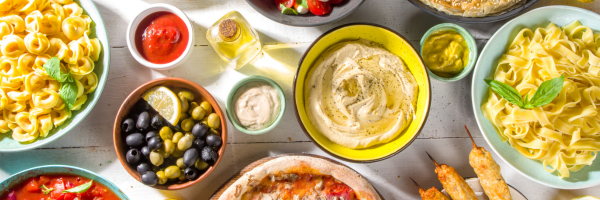
When researchers looked closely at the pattern, they identified several recurring themes: abundant vegetables, fruits, legumes, and whole grains, generous use of olive oil as the primary fat, regular consumption of fish, modest intake of poultry, limited red meat and moderate wine consumption with meals.
At first glance this appears to be little more than a grocery list, but focusing only on the ingredients misses the deeper story. What makes this pattern powerful may not be simply what people eat, but the broader lifestyle in which those foods are embedded.
Walking as a Way of Life
One of the first things you notice while traveling through Spain and Portugal is how much people walk. Cities here are built at human scale. Streets are narrow, distances are manageable, and daily errands naturally involve movement. Cars exist, of course, but they often feel secondary.
Meeting a friend for coffee involves a stroll through a plaza. Running an errand means walking down a neighborhood street lined with small shops. Dinner requires another pleasant walk home afterward. Over the past several days we have easily covered four to five miles per day without once setting out with the intention of exercising. We were simply moving through our day.
This kind of low-intensity, continuous physical activity may be one of the most underrated health interventions available to us. Modern fitness culture often emphasizes intense workouts, structured exercise programs, or carefully designed training sessions. Those have their place. But the quiet, constant movement that comes from living in walkable environments may provide a metabolic benefit that is both powerful and sustainable.
Olive Oil, The Quiet Hero
Of course, no discussion of Mediterranean health would be complete without talking about olive oil, which here is treated not as a specialty item but as a basic culinary foundation. In Spain and Portugal olive oil appears everywhere – drizzled generously over vegetables, poured onto bread, used in cooking, and blended into simple salads that taste as though the sun itself has been bottled.
Extra virgin olive oil contains a remarkable combination of beneficial compounds, including monounsaturated fats that improve cholesterol balance and polyphenols that function as potent antioxidants and anti-inflammatory agents. Some researchers have suggested that olive oil behaves less like a conventional fat and more like a functional food, capable of supporting vascular health and protecting the delicate lining of blood vessels.
When consumed regularly in the context of a whole-food dietary pattern, it may help explain some of the cardiovascular resilience observed in Mediterranean populations.
Food That Still Looks Like Food
Another striking characteristic of Mediterranean cuisine is its simplicity. Meals often revolve around foods that look very much the way they did when they came out of the ground or out of the sea. A typical plate might include grilled fish, tomatoes still warm from the sun, olives cured in salt, beans simmered slowly with herbs, fresh bread, and of course a drizzle of olive oil tying everything together.
There are fewer ultra-processed foods, fewer industrial ingredients, and fewer items that require a chemistry degree to decipher the label. When food remains this close to its natural form, something interesting happens – the body recognizes it. Metabolic systems that evolved over thousands of years respond appropriately, digestion becomes more efficient, and energy regulation tends to stabilize.
The Social Ingredient
But perhaps one of the most overlooked ingredients in Mediterranean health is the social environment in which meals occur. Food here is rarely rushed. People sit down together. Conversations unfold slowly. Plates are shared, stories are exchanged, and meals often last longer than expected simply because nobody feels the need to hurry away.
This slower pace may itself contribute to metabolic well-being. Eating slowly improves satiety signaling, allowing hormones such as leptin and ghrelin to regulate appetite more effectively. Stress hormones decline when meals are relaxed and social. Digestion works better when the nervous system is in a calm, parasympathetic state.
In this sense the Mediterranean diet is not merely nutritional, it is relational.
Wine in Context
Wine, of course, also plays a role in this pattern, though often in ways that differ from how alcohol is consumed elsewhere. Moderate wine intake, particularly red wine, has long been associated with Mediterranean dietary patterns, and compounds such as resveratrol and other polyphenols may contribute to cardiovascular benefits.
Yet context matters enormously. In Spain and Portugal wine is typically enjoyed with meals, in modest amounts, and as part of social interaction rather than as a separate event. It accompanies food rather than replacing it. That difference may help explain why wine consumption in Mediterranean cultures rarely produces the same patterns of misuse observed in places where alcohol is consumed quickly and in isolation.
An Afternoon in Porto
Yesterday we found ourselves walking along the riverfront in Porto, watching the sunlight shine toward the Atlantic as the Douro River reflected the light. Traditional wooden boats rested quietly along the water, families strolled the promenade, and cafés filled gradually with people enjoying the day.
No one seemed rushed. No one appeared to be counting calories or tracking macronutrients on a phone app. Yet the lifestyle unfolding around us may represent one of the most powerful health prescriptions ever observed.
Simple food. Continuous movement. Social connection. Sunlight. Laughter. Repeat daily.
The Real Lesson
Back home we often try to replicate the Mediterranean diet by importing the ingredients. We buy good olive oil. We search for Mediterranean recipes. We attempt to recreate the flavors of Spain or Italy in our kitchens. Those are wonderful steps, but perhaps the deeper lesson lies elsewhere.
The true strength of the Mediterranean pattern may not come from any single ingredient but from the rhythm of life that surrounds it. Walk more. Eat real food. Share meals with people you enjoy. Slow down enough to notice where you are. Take long walks through beautiful places whenever possible.
The Mediterranean diet, it turns out, is not merely a set of recipes. It is a pattern of living that nourishes the heart, the brain, and perhaps even the spirit. And if our travels through Spain and Portugal have taught us anything, it is that the prescription is surprisingly simple.
Just be prepared to walk. Quite a lot, in fact.
Author
Scott Rollins, MD, is Board Certified with the American Board of Family Practice and the American Board of Anti-Aging and Regenerative Medicine. He specializes in bioidentical hormone replacement for men and women, thyroid and adrenal disorders, fibromyalgia and other complex medical conditions. He is founder and medical director of the Integrative Medicine Center of Western Colorado (www.imcwc.com) and Bellezza Laser Aesthetics (www.bellezzalaser.com). Call (970) 245-6911 for an appointment or more information.
