
A Timeless Healing Food Returns
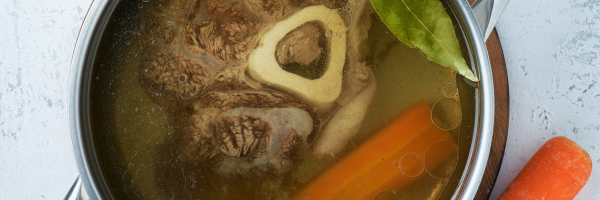
We make lots of bone stock at our house. It’s super easy and extends our food budget considerably. The usual go-to stock is chicken. A small free range hen costs about $10 and provides several meals just with the meat. The night the bird is cooked the carcass is picked clean and tossed in the freezer for when we’re ready to make stock. The the real magic begins later when we produce 4 quarts of the liquid gold! Just this week we made some beef bone stock from the leftover prime rib bones ala Thanksgiving dinner.
Bone stock is a culinary favorite in hour home, but has quietly re-emerged as a nutritional staple, as its roots stretch back thousands of years. Long before modern supplements and functional nutrition, people instinctively knew that slowly simmering bones, joints, and connective tissues produced something profoundly restorative. We now understand the science behind that intuition. Extended cooking pulls collagen, amino acids, minerals, and specialized compounds from deep within the bones – nutrients that profoundly support digestion, joints, immunity, and overall healing.
What Bone Stock Really Is
Bone stock is made by simmering bones from chicken, beef, fish, or other animals for many hours – often twelve to twenty-four or longer. This slow extraction process dissolves structural proteins and minerals that are not accessible in ordinary soups or stocks. Gelatin, collagen, electrolytes, glycosaminoglycans, amino acids, and marrow-derived nutrients become suspended in the stock, transforming it into a highly concentrated source of nourishment. This is why bone stock is often described as “liquid nutrition”. It delivers a broad spectrum of healing components in an easy-to-digest form.
Stock versus Broth
Stock is a long-simmered, collagen-rich liquid made mostly from bones and cooked for many hours to create a rich cooking base, while broth is a lighter, seasoned liquid made primarily from meat and simmered for under an hour to be enjoyed on its own. The words are often used interchangeably.
The Nutrients Inside Bone Stock
The most notable component of bone stock is collagen, the primary structural protein in skin, joints, tendons, ligaments, and the gut lining. As collagen breaks down during simmering, it becomes gelatin, which gives cooled stock its characteristic jiggly, silky texture. Gelatin has a remarkable ability to soothe the digestive tract and support the health of the intestinal barrier. Bone stock is also rich in amino acids such as glycine, proline, glutamine, and arginine. These amino acids play essential roles in tissue repair, liver detoxification, immune function, and neurotransmitter balance.
In addition, bone stock contains minerals like calcium, magnesium, phosphorus, and potassium in highly absorbable forms, along with trace elements including zinc and copper. The connective tissues and cartilage release glycosaminoglycans – glucosamine, chondroitin, and hyaluronic acid – which are integral to healthy joints and connective tissue. When marrow bones are included, the stock also provides healthy fats, fat-soluble vitamins like A and K2, and immune-supportive lipids that traditional cultures prized as deeply nourishing foods.
Bone Stock Supports Gut Health
One of the most well-recognized benefits of bone stock is its healing effect on the digestive system. Gelatin and glutamine help repair and strengthen the intestinal lining, supporting the mucosal barrier and encouraging regeneration of the cells that line the gut. This is why bone stock is central to many gut-healing protocols for conditions such as IBS, IBD, leaky gut, and general digestive inflammation. Because it is gentle, soothing, and easy to absorb, bone stock is often one of the first foods people tolerate during digestive flare-ups or recovery. Many times I’ve put patients on a gut healing diet of bone stock alone for days, until their gut healed.
Benefits for Joints and Connective Tissue
Bone stock’s natural content of glucosamine, chondroitin, hyaluronic acid, and collagen fragments provides direct nourishment for the joints. These compounds help maintain cartilage hydration and cushioning, support synovial fluid production, and promote overall joint mobility. Many individuals dealing with stiffness, arthritis, or overuse injuries report meaningful improvement in comfort when bone stock becomes a consistent part of their diet. Unlike isolated supplements, broth delivers these joint-supporting nutrients in a natural, synergistic form.
Skin, Hair, and Nail Support
Since the skin is largely composed of collagen, it’s no surprise that supplying collagen-rich foods naturally supports skin health. Regular consumption of bone stock can improve hydration, elasticity, and firmness. Many people notice smoother skin texture, stronger nails, and faster hair growth within weeks. Hyaluronic acid, another component found in broth, contributes to skin moisture and resilience, adding to its cosmetic and structural benefits.
Immune System and Inflammation Support
Bone stock supports the immune system on multiple levels. Marrow contributes immune-modulating fats, while amino acids such as glycine and arginine help regulate inflammation and support the body’s stress response. The mineral content assists with electrolyte balance and hydration during illness. Because stock is both nutrient-dense and easy to digest, it is often used during recovery from infections, surgery, or times of increased metabolic demand.
Benefits for Muscle Recovery and Detoxification
Athletes and active individuals benefit from bone stock’s rich amino acid profile, which helps repair muscle tissue and reduce post-exercise soreness. The natural electrolytes replace those lost during sweat-heavy activity. Glycine also supports deep, restorative sleep by influencing neurotransmitters and enhancing nighttime growth hormone release which is an essential factor in tissue recovery. On the detoxification side, glycine plays a key role in phase II liver conjugation pathways, helping the body clear metabolic waste and environmental toxins more efficiently.
How to Incorporate Bone Stock Into Your Routine
Bone stock can be enjoyed in countless ways. Many people sip it warm on its own as a daily ritual, while others use it as a base for soups, stews, gravies, or sauces. It adds depth and nutrition when used to cook vegetables, rice, beans, or quinoa. There is no strict dosage, but one cup daily, or a few cups per week, can provide noticeable health benefits. Individuals with specific healing goals may choose to consume it more frequently. At our home, we make batches and freeze the stock to make soups. We also like to have some on hand in case of illness.
Homemade vs. Store-Bought
Homemade bone stock is typically superior because long simmering with a bit of acidity (such as vinegar or lemon juice) extracts the maximum nutrients from the bones. Store-bought stock can vary widely. The best commercial versions are made from pasture-raised or organic bones and develop a gel-like texture when cold, signaling high collagen content. Thinner stocks that remain watery are often closer to flavored broth than true bone stock.
Choosing Between Chicken, Beef, and Fish Stocks
Different stocks offer slightly different nutrient profiles. Chicken stock is especially rich in collagen type II, making it excellent for joint and cartilage support. Beef stock contains more minerals, marrow nutrients, and collagen types I and III, which support skin, bones, and connective tissue. Fish stock, which is prominent in traditional Asian cuisines, provides marine collagen and iodine, offering benefits particularly suited to thyroid and skin health. Rotating between these types can provide a wider range of nutrients.
Important Considerations
Bone stock is safe for most people, though those with histamine intolerance may react to long-simmered foods and may prefer shorter cooking times or fresh batches. Store-bought stock may be high in sodium, so reading labels is important. Concerns about heavy metals, especially lead, have been raised historically, but testing of high-quality stocks consistently shows minimal levels that are not clinically meaningful.
One last tip – there are infinite ways to make broth, but my wife likes the stock recipes from the Joy of Cooking cookbook. We typically simmer 6 hours or so to make our stocks, but we’re going for maximum flavor versus maximum nutrient release. Bon Appetite!
Author
Scott Rollins, MD, is Board Certified with the American Board of Family Practice and the American Board of Anti-Aging and Regenerative Medicine. He specializes in Bioidentical Hormone Replacement for men and women, thyroid and adrenal disorders, fibromyalgia, weight loss and other complex medical conditions. He is founder and medical director of the Integrative Medicine Center of Western Colorado (www.imcwc.com) and Bellezza Laser Aesthetics (www.bellezzalaser.com). Call 245-6911 for an appointment or more information.
