
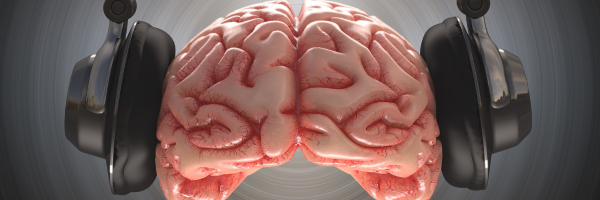
As someone who moves between the world of medicine and the world of music, I’ve long believed in the power of sound not just as something aesthetic, but as a therapeutic medium for body, brain and spirit. For me, playing the piano or guitar is a daily treat. Listening to music of all sorts is routine – rocking out while making dinner, listening to cool jazz on the drive to work, or spa music while meditating after lunch. Music can make the mood. A new study now offers robust evidence that engaging in music-related leisure activities isn’t merely pleasurable, it may meaningfully reduce the risk of dementia and support cognitive longevity.
Music and Brain Health Study
The 2025 study, “What Is the Association Between Music-Related Leisure Activities and Dementia Risk? A Cohort Study” used secondary data from the ASPirin in Reducing Events in the Elderly (ASPREE) trial which included 10,893 community-dwelling Australians aged 70+ years, who were initially cognitively healthy. They divided participants by how frequently they engaged in music-listening and/or playing an instrument. What they found years later was impressive:
- Compared with those who “never/rarely/sometimes” listened to music, those who “always” listened had a 39% lower risk of dementia
- “Always” listening was also associated with a 17% lower risk of cognitive impairment
- Playing an instrument often/always was linked to a 35% reduced dementia risk
- Participants who both listened and played regularly had a 33% reduced dementia risk and 22% reduced cognitive impairment risk
In short, regular engagement with music, especially listening consistently, and playing when possible, was significantly connected with better cognitive outcomes decades later.
Why This Matters for Brain & Anti-Aging Specialists
From the anti-aging physician’s perspective, cognitive longevity is one of the crown jewels. Preserving neuronal infrastructure, promoting neuroplasticity, minimizing neuroinflammation, sustaining mitochondrial fitness in brain cells, and supporting vascular health are all part of our mission. Music appears to weave through many of these mechanisms:
Multi-modal brain activation: Listening to or playing music recruits auditory, motor, memory, emotional and executive networks simultaneously. That’s a rich workout for your brain’s wiring.
Cognitive reserve & plasticity: The fact that the effect was stronger in those with higher education suggests music contributes to reserve, the brain’s ability to compensate and adapt. As clinicians we know reserve helps slow decline.
Neurovascular and neuro-metabolic benefit: Music can lower stress responses, enhance mood, reduce cortisol and may improve cerebral blood flow. These are anti-aging processes.
Social, emotional and lifestyle synergy: Music isn’t just a solo activity. Listening and playing often lead to social connection, emotional regulation, meaning and purpose, which all feed healthy aging.
Accessible & low risk: As a physician I’m always looking for interventions that are easy, safe and non-pharmacologic. Music meets all those criteria.
Thus, for my patients and for myself, this study adds a potent tool to the cognitive-longevity toolbox. Engage with music deliberately and regularly.
My Music Prescription
As a musician and physician, here’s a “prescription” I invite you to consider:
Daily “listening block” of 20–30 minutes of focused listening (not background only). Choose a piece you haven’t heard recently or one that becomes familiar over a week. Use music to set a mood.
Weekly “playing block” of 30–60 minutes, where you actively play, improvise, compose or even just practice scales/technique. If you’re not already an instrumentalist, consider picking up one. It’s never too late. I didn’t really get going as a musician until after college and hit a “second stride” in my 40s.
Monthly “ensemble/social music”. Attend a show or rehearsal, join a singing group, or jam with friends. Even virtual ensembles count.
The study doesn’t specify which types of music are best. My view as a musician is that diversity matters. Both familiar/favorite music (emotional anchor) and new/challenging music (stimulus for plasticity) seems like a good idea.
Why I’m Excited as a Physician-Musician
When I see data like this, the synergy between my two worlds becomes vivid. The musician in me thinks of rhythm, harmony, improvisation and community; the physician in me thinks of neurons, synapses, brain networks, vascular supply, systemic health. Music provides a bridge between art and neuroscience, between joy and longevity.
In our anti-aging clinic we talk about telomeres, mitochondria, inflammation, glycation, etc, but brain health is the centerpiece. Cognitive decline is one of the greatest threats to a full life, and if something as accessible as music can help mitigate that threat, it’s a game-changer.
Moreover, this study reframes music not just as leisure, but as medicine, as a prescription for the brain, a protective intervention. And unlike many prescriptions, it carries almost no downside, invites participation, fosters joy and fits beautifully into a life well-lived.
Even if the benefit is partly due to associated lifestyle (social engagement, mental stimulation), music seems to carry significant association with lower dementia risk in this cohort. It should be integrated into a broader cognitive-health plan (exercise, diet, sleep, social engagement) rather than as a sole intervention.
Make listening a daily habit. Make playing or singing a weekly practice. Don’t just consume music, participate in it. Use the power of music to build cognitive reserve, strengthen brain networks, and protect against dementia.
Let your brain sing, your neurons groove, and your life resonate with meaning and longevity. I invite you to pick up an instrument, queue up that album you love, or join that choir, and let the music work its magic.
Until next time, keep your playlist strong, your practice steady, and your brain in tune.
Author
Scott Rollins, MD, is Board Certified with the American Board of Family Practice and the American Board of Anti-Aging and Regenerative Medicine. He specializes in bioidentical hormone replacement for men and women, thyroid and adrenal disorders, fibromyalgia and other complex medical conditions. He is founder and medical director of the Integrative Medicine Center of Western Colorado (www.imcwc.com) and Bellezza Laser Aesthetics (www.bellezzalaser.com). Call (970) 245-6911 for an appointment or more information.
