
Why the New Guidelines Caused Confusion
Every few years, new dietary guidelines are released and a familiar wave of anxiety follows. This time, the emphasis on protein has left many people wondering whether everything they’ve learned about healthy eating has suddenly been overturned. Questions come quickly: Does this mean I should eat more meat? Is plant-based eating outdated? Have vegetables been quietly demoted?
The short answer is no. The longer, more accurate answer is that the guidelines haven’t changed direction nearly as much as the headlines suggest.
What the Guidelines Are Actually Saying
When read carefully, the guidelines continue to emphasize whole, minimally processed foods as the foundation of good health. They encourage adequate protein intake, especially for aging adults, but they do not prescribe meat as the solution. They focus on dietary patterns rather than isolated nutrients and consistently caution against ultra-processed foods.
Plants remain the backbone of a healthy diet. Animal foods are included as optional components, not as requirements, and red and processed meats are still advised in limited amounts. The guidelines are less about what to add and more about what to stop relying on – namely packaged, calorie-dense, nutrient-poor food.
Protein Still Matters, But It’s Not the Villain or the Hero
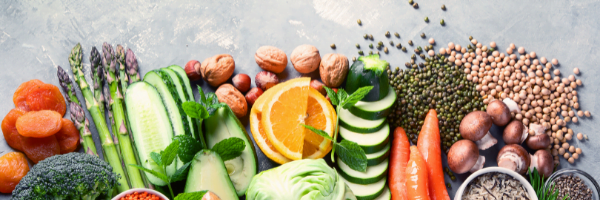
Protein is essential for muscle, bone, immune function, and metabolic health. That much is clear. What often gets lost in translation is the idea that protein automatically means animal protein. In reality, protein is widely available across the plant kingdom, including beans, lentils, tofu, tempeh, nuts, seeds, whole grains, and vegetables.
A well-planned plant-based diet easily meets protein needs without excess saturated fat or inflammatory compounds. The guidelines’ emphasis on protein is about preventing under-consumption, not about encouraging a shift toward meat-heavy diets.
Why Animal Protein Gets Blamed for Heart Disease
Research linking higher animal protein intake to heart disease has been remarkably consistent, but it’s frequently misunderstood. The problem is not protein itself – it’s the dietary trade-off that often occurs. When animal protein replaces plant foods, fiber intake drops, inflammation rises, and cardiovascular risk increases. When plant protein replaces animal protein, heart disease risk goes down.
In contrast, when animal protein replaces sugar and refined carbohydrates, some markers improve, but not to the degree seen with plant-forward diets. Context matters. It’s not protein versus protein; it’s about what foods dominate the plate.
How a Plant-Forward Diet Fits the Guidelines Perfectly
A whole-food, plant-based diet aligns naturally with the goals of the new guidelines. It delivers sufficient protein, abundant fiber, improved blood sugar regulation, reduced inflammation, and better cardiovascular outcomes. It also supports weight stability and long-term metabolic health without rigid rules or constant tracking.
Rather than conflicting with the guidelines, plant-based eating embodies them. The emphasis on real food, consistency, and long-term patterns fits seamlessly with a diet built on plants.
What This Means for You as a Patient
For most people, protein deficiency is not the issue. The real problem is reliance on ultra-processed foods that displace nutrient-dense choices. If meals are centered around vegetables, fruits, beans, whole grains, nuts, and seeds, protein intake is almost never inadequate.
You don’t need to overhaul your diet or add foods that don’t agree with you. You don’t need to fear protein as long as you’re eating real food. The guidelines support exactly that approach.
The new dietary guidelines are not a radical departure from what we already know about health. They are a reminder to eat real food, limit processed products, and focus on sustainable habits rather than dietary extremes.
A whole-food, plant-based diet isn’t contradicted by these recommendations – it’s quietly reinforced by them. Nutrition doesn’t need to shout to be effective. It just needs to work.
And yes, the lentils are still welcome at the table.
Author
Scott Rollins, MD, is Board Certified with the American Board of Family Practice and the American Board of Anti-Aging and Regenerative Medicine. He specializes in Bioidentical Hormone Replacement for men and women, thyroid and adrenal disorders, fibromyalgia, weight loss and other complex medical conditions. He is founder and medical director of the Integrative Medicine Center of Western Colorado (imcwc.com) and Bellezza Laser Aesthetics (bellezzalaser.com). Call (970) 245-6911 for an appointment or more information.
