
The Slow Burn
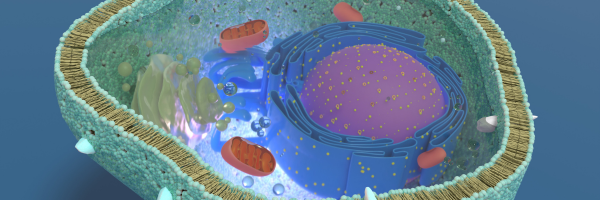
Every cell in your body contains tiny structures called mitochondria. They are often described as the cell’s power plants, but that analogy doesn’t quite capture their importance. Mitochondria are less like power plants and more like master conductors. They decide how energy is produced, how cells respond to stress, when damaged cells should die, and even how loudly inflammation should speak.
In many ways, aging itself can be viewed as the gradual decline of mitochondrial function.
When we are young, our mitochondria are numerous, flexible, and efficient. They convert food and oxygen into cellular energy with remarkable precision. As we age, they become fewer in number, less efficient, and more susceptible to damage. Energy production falls. Recovery slows. Inflammation rises. Muscles weaken. Brains become less resilient. The spark that once seemed effortless begins to require conscious effort.
Understanding how mitochondria age, and how we can help them age gracefully, may be one of the most important keys to healthy longevity.
ATP is The Currency That Powers Life
The primary job of mitochondria is the production of ATP (adenosine triphosphate).
ATP is the energy currency used by virtually every cell in the body. Every heartbeat, every thought, every muscle contraction, every immune response depends upon a continuous supply of ATP.
An average adult produces and recycles approximately their own body weight in ATP each day. Remarkably, the ATP molecule you use to lift your coffee cup this morning may be recycled hundreds of times before dinner.
When mitochondrial efficiency declines, ATP production falls. The result is often experienced as fatigue, reduced exercise tolerance, slower recovery, brain fog, and the vague sense that one’s batteries never seem fully charged.
Many people assume these changes are simply aging. Often they are manifestations of aging mitochondria.
NAD Recharges the Cellular Battery
If ATP is the currency, NAD is the banking system. Nicotinamide adenine dinucleotide (NAD) plays a central role in energy production, mitochondrial repair, DNA maintenance, and cellular resilience.
Unfortunately, NAD levels decline steadily with age. By middle age, many individuals possess only a fraction of the NAD levels they enjoyed in youth.
Low NAD affects far more than energy production. It influences the activity of sirtuins, a family of longevity-associated proteins that help regulate inflammation, mitochondrial biogenesis, and cellular repair.
This is one reason there has been growing interest in NAD precursors such as nicotinamide riboside (NR) and nicotinamide mononucleotide (NMN). While not fountains of youth, they may help support declining NAD pools and improve mitochondrial function in some individuals.
Keeping the Assembly Line Moving with Coenzyme Q10
Coenzyme Q10 serves as a critical transporter within the mitochondrial electron transport chain. Without adequate CoQ10, mitochondria struggle to move electrons efficiently and ATP production suffers.
The heart, which contains some of the highest mitochondrial densities in the body, is particularly dependent upon CoQ10. Levels naturally decline with age and may be further reduced by statin medications.
Numerous studies have demonstrated benefits of CoQ10 supplementation for cardiovascular health, exercise tolerance, and fatigue in selected populations.
Think of CoQ10 as the lubrication that keeps the gears of mitochondrial energy production turning smoothly.
Urolithin A Takes Out the Cellular Trash
One of the most fascinating discoveries in longevity science involves a compound called Urolithin A.
Urolithin A is not found directly in food. Instead, it is produced when gut bacteria metabolize compounds found in pomegranates, walnuts, and berries. Its claim to fame is its ability to stimulate mitophagy. Mitophagy is the process by which old, damaged mitochondria are identified, dismantled, and recycled. It is essentially cellular housekeeping.
Imagine a city whose garbage collection service suddenly stopped. Over time the accumulation of debris would impair every aspect of life. Something similar occurs when damaged mitochondria accumulate.
Urolithin A appears to encourage the body to remove dysfunctional mitochondria so healthier replacements can emerge. Several human studies have demonstrated improvements in mitochondrial biomarkers and muscle function, making it one of the more intriguing compounds in the healthy aging toolbox.
The Forgotten Nutrient called Oxygen
Mitochondria require oxygen to efficiently produce ATP. Yet oxygen utilization is often overlooked when discussing cellular energy.
We tend to focus on nutrients, supplements, and hormones while forgetting that oxygen is the final electron acceptor in aerobic metabolism. Without it, the mitochondrial engine sputters. This is where therapies aimed at improving oxygen utilization become interesting.
Among these is ozone therapy, particularly major autohemotherapy. Despite the understandable confusion surrounding ozone, therapeutic ozone is not intended to flood the body with oxygen. Rather, it appears to function as a controlled biological stressor.
When blood is exposed to carefully measured ozone concentrations during major autohemotherapy, a series of signaling molecules are generated. These signals may stimulate antioxidant pathways, improve red blood cell flexibility, enhance microcirculation, and improve oxygen delivery and utilization.
In essence, ozone therapy may help mitochondria make better use of the oxygen already available.
This concept fits within a broader biological principle known as hormesis – the idea that small, controlled stressors can trigger adaptive responses that ultimately make the organism more resilient.
Exercise works this way. Sauna works this way. Cold exposure works this way. Ozone therapy appears to operate through similar mechanisms.
The Medicine of Movement
No supplement discussed in this article can rival the effect of regular exercise. Exercise stimulates mitochondrial biogenesis – the creation of new mitochondria.
The more physically active we remain, the more our bodies receive the message that energy production matters. Walking, resistance training, cycling, swimming, hiking, tennis, and interval training all encourage mitochondrial renewal.
The mitochondria do not care whether you are climbing a fourteener, playing tennis, or walking around the neighborhood. They simply respond to the demand placed upon them. Movement remains one of the most powerful anti-aging interventions ever discovered.
Night Shift for Cellular Repair
During sleep, the body performs much of its repair work. Damaged proteins are removed. Hormones are regulated. Inflammation is reduced. Mitochondrial repair mechanisms become active.
Chronic sleep deprivation is associated with impaired mitochondrial function, increased oxidative stress, insulin resistance, and accelerated aging.
Many people search for exotic longevity interventions while consistently neglecting seven to eight hours of restorative sleep. The mitochondria notice.
Feeding the Engines of Longevity
Healthy mitochondria thrive on metabolic flexibility. This means the ability to efficiently switch between carbohydrates and fats as fuel sources.
Whole foods, adequate protein, colorful vegetables, healthy fats, and stable blood sugar support mitochondrial health.
Conversely, chronically elevated glucose, excessive processed foods, and persistent insulin resistance place enormous strain on mitochondrial systems.
The Mediterranean diet remains one of the most consistently supported dietary patterns for preserving mitochondrial function and healthy aging.
Why Connection Is Good Medicine
Psychological stress has mitochondrial consequences. Chronic elevations in cortisol and inflammatory signaling impair mitochondrial performance.
Conversely, meaningful relationships, purpose, social connection, time in nature, gratitude, and enjoyable activities all appear to exert measurable biological effects.
Humans are not merely biochemical machines. The mitochondria respond not only to nutrients and oxygen but also to the environments in which we live.
The Real Goal Is Vitality
The most important lesson of mitochondrial biology is that aging is not simply about the passage of time. It is about the gradual accumulation of small decisions.
Every walk. Every good night’s sleep. Every healthy meal. Every tennis match. Every hike in mountain air. Every effort to remain curious, connected, and engaged.
The goal is not to avoid aging. That battle was lost the moment we were born. The goal is to age with vitality.
To continue producing energy, recovering, exploring. To keep the cellular engines running well enough that when opportunity knocks – a trip, a hike, a grandchild, a concert, a new adventure – we still have enough ATP in the tank to answer the door.
Author
Scott Rollins, MD, is Board Certified with the American Board of Family Practice and the American Board of Anti-Aging and Regenerative Medicine. He specializes in bioidentical hormone replacement for men and women, thyroid and adrenal disorders, fibromyalgia and other complex medical conditions. He is founder and medical director of the Integrative Medicine Center of Western Colorado (www.imcwc.com) and Bellezza Laser Aesthetics (www.bellezzalaser.com). Call (970) 245-6911 for an appointment or more information.
