
Ozone is a gas made from oxygen. While oxygen in the air we breathe has two molecules of oxygen (O2) bound together, ozone is made of three oxygen molecules (O3).
Ozone occurs naturally in the earth’s upper atmosphere as well here on the ground, secondary to UV light striking water vapor and lightning strikes mixing with air. You may have noted the fresh smell of ozone near a waterfall or after a thunderstorm.
Making ozone involves putting energy into the air. More specifically an electric charge is applied to oxygen, which converts it to ozone. Medical ozone generators are very precise and the concentration of ozone is well controlled.
At high doses, ozone works by oxidation. It is far more powerful than other sanitizers such as chlorine yet leaves no harmful chemicals or byproducts behind, and when used properly and in the proper amounts, it is completely non-toxic.
Industrial ozone applications include broad use for water and air purification, food preservation and agriculture applications.
Note: Ozone is not FDA approved for the treatment of any medical condition. All uses described are considered investigational or complementary and should be discussed with a licensed healthcare provider.
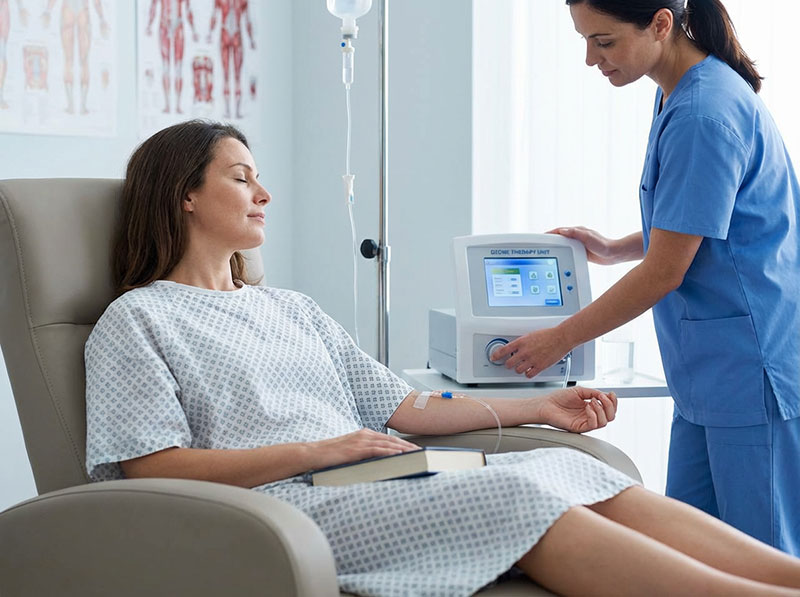
IV ozone, called Major Auto Hemotherapy (MAH), is a simple procedure that involves drawing 50-250mL of blood via an IV catheter then mixing the same amount of ozone directly into the blood and finally infusing the ozonated blood back into the patient. The whole procedure takes about 45 minutes. This is the traditional “one pass” method. In a standard course ozone is administered 1–2 times per week as part of investigational or adjunctive wellness protocols.
We also offer Ten-Pass Ozone sessions developed by Dr Lahodny from Vienna, Austria. Dr Rollins has studied with Dr Lahodny and we utilize the state of the art Herrmann ozone unit from Germany. This procedure allows doing a MAH treatment 10 times in one visit, thus greatly increasing the amount of ozonated blood being treated. The procedure takes 90-120 minutes. Ozone high dose therapy (OHT) improves mitochondrial bioenergetics in peripheral blood mononuclear cells.
Ozone has been explored in integrative settings via joint or soft tissue injections to support tissue oxygenation and cellular response. Research is ongoing.
Dr Rollins is a member of the American Academy of Ozonotherapy and has done advanced training in the use of ozone.